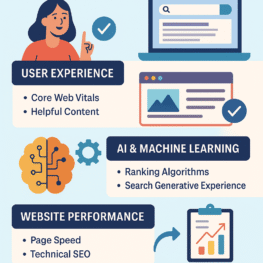
In today’s competitive online environment, having a solid content strategy is essential, especially for Australian businesses providing local services. People across Australia frequently use search engines to locate trusted local services, making your visibility in these searches critical to attracting new customers. This guide simplifies the process of creating content that ranks well in search engines and effectively converts visitors into customers. We’ll explore practical keyword research, effective on-page SEO, persuasive content writing techniques, local SEO tailored specifically for Australia, and striking a balance between readability and optimisation.
Content Planning: Understanding Your Audience and Their Needs
Creating effective content begins with understanding precisely who you’re trying to reach. Clearly define your ideal customers—whether they are busy parents searching for childcare solutions, homeowners in need of reliable plumbers, or professionals looking for financial services. Once you’ve identified your target audience, consider the kinds of questions or concerns they typically have.
A structured content calendar can help keep your messaging timely, relevant, and organised. For example, you might plan seasonal articles, how-to guides, or posts covering industry news and updates relevant to your local audience. Regularly revisiting your published content to assess what resonates with readers can also guide future improvements, ensuring you continually meet audience expectations.
Keyword research is another crucial element of your content planning. Tools like Google Keyword Planner or Google Trends, adjusted specifically to Australian searches, can reveal the terms people frequently use when seeking your services. Instead of generic terms like “plumber,” consider using precise, location-specific keywords like “emergency plumber in Brisbane” or “affordable accounting services in Melbourne.” These long-tail keywords, while having lower search volumes, tend to have higher purchase intent, making them highly valuable for conversion.
It’s beneficial to focus your content around specific niche queries. Broad terms may seem appealing due to their volume, but the competition often makes ranking difficult. Instead, niche phrases like “civil engineer Sydney structural report” will better target your intended audience and drive more qualified leads to your business.
Optimising Your Content: A Practical Approach to On-Page SEO
Effective content doesn’t just communicate clearly—it also needs to be easily understood by search engines. Good on-page SEO ensures your content clearly signals its relevance to search engines without sacrificing readability for your audience.
When creating page titles and main headings, naturally incorporate your chosen keywords. For example, your title could read “Affordable House Cleaning Services in Brisbane,” clearly indicating both the service and location. Subheadings throughout the content should similarly reflect your keywords in a natural, reader-friendly manner.
Meta descriptions, the short summaries displayed in search results, are equally important. A concise, compelling meta description can significantly boost click-through rates from search engines, indirectly enhancing your rankings. Clearly summarise your offering, include a keyword naturally, and encourage action—such as “Contact us for reliable Melbourne plumbing services.”
Incorporate relevant images to enrich your content visually. When using images, always add descriptive alt text, helping search engines better index your page and enhancing accessibility for all users. Images should also be appropriately compressed to keep your webpage loading quickly, improving user experience and positively influencing your SEO rankings.
Writing Content That Persuades Visitors to Take Action
Securing strong search rankings is only half the battle. Once visitors arrive at your site, the content must convincingly guide them toward becoming customers. Persuasive writing means clearly addressing the reader’s initial question or need immediately, without unnecessary fluff or complicated introductions.
Begin with engaging headlines that clearly state the value readers will receive. For instance, “Expert Landscaping Tips for Brisbane Homeowners” immediately communicates what the reader can expect. Your content should quickly establish trust, addressing visitors directly and empathically by using a conversational tone with words like “you” and “we.”
Provide concrete evidence to support claims, such as real testimonials, data-driven results, or case studies showcasing your previous successes. For instance, rather than vaguely promising savings, you could specifically state: “Our accounting solutions typically save Melbourne businesses up to 25% on annual costs.”
Finally, encourage readers to take the next logical step through a clear, compelling call-to-action (CTA). If visitors land on your page through the search term “emergency electrician Sydney,” your CTA could directly reflect that intent, such as “Call now for immediate electrical assistance in Sydney.”
Leveraging Local SEO to Attract Australian Customers
Local SEO is particularly powerful for Australian businesses, given the country’s strong preference for local services. Australians regularly rely on search engines and maps to discover local businesses, making local SEO strategies crucial for visibility.
Start by fully optimising your Google Business Profile. Consistently and accurately display your business name, address, and phone number across online platforms. Provide comprehensive details like opening hours, services offered, and engaging images of your work or location. Encouraging satisfied customers to leave positive reviews not only boosts credibility but also helps your business appear prominently in local searches.
Creating locally focused website content significantly boosts your visibility in relevant searches. Include pages specifically designed to target your service area, such as “Wedding Photographer Serving Greater Melbourne.” Mention local landmarks, suburbs, or communities when relevant to demonstrate your genuine connection to the area.
Ensure your business is accurately listed in popular Australian directories like TrueLocal or Yellow Pages. Securing backlinks from local organisations, community groups, or news outlets also signals to search engines that your business is a reputable local entity, further improving your rankings.
Considering the prevalence of mobile searches, particularly for local services, your website must perform exceptionally well on smartphones. Optimise your website for quick loading times and ensure it’s fully responsive across various devices, ensuring an optimal experience for every visitor.
Balancing Readability with Effective SEO Optimisation
While incorporating keywords into your content is essential, readability should always remain the top priority. Google’s sophisticated algorithms now emphasise quality, natural writing over awkward keyword repetition. Your content should feel conversational, engaging, and clear, ensuring visitors quickly find the information they need without effort.
Write naturally first, then subtly integrate relevant keywords. Google’s algorithms understand context and synonyms, meaning you don’t have to force exact phrases awkwardly throughout your text. Structuring your content logically and clearly also enhances readability; short paragraphs, clear subheadings, and succinct language help readers comfortably navigate your site.
Effective content naturally reduces bounce rates, sending positive signals to search engines about your site’s value. Ultimately, creating content that genuinely helps readers will inherently support your SEO goals, fostering long-term customer engagement and loyalty.
Organising Your Content for Maximum Impact
An organised content structure significantly improves user experience and search engine visibility. Clearly structured headings and subheadings make your content easier to follow, helping readers quickly identify information relevant to their search.
When adding images, choose descriptive filenames and meaningful alt text. This provides additional context to search engines and aids accessibility. Additionally, craft actionable, compelling meta descriptions to encourage clicks from search engine results, indirectly improving your ranking potential.
Ensure technical factors such as page speed, responsive design, and website security (HTTPS) are consistently optimised. These seemingly minor technical considerations greatly impact how visitors perceive your business and how search engines rank your content.
Final Thoughts: Creating Effective, User-Friendly Content
Crafting effective website content that both ranks highly and converts visitors into customers is entirely achievable. By thoroughly understanding your audience, carefully selecting meaningful keywords, applying practical SEO practices, writing persuasive content, and effectively leveraging local search strategies, you significantly enhance your business’s online success.
Always remember that great content addresses real human needs clearly and authentically. When you write primarily for people—while still keeping search optimisation in mind—your content naturally appeals to both search engines and your potential customers. By embracing these best practices, your Australian service business can confidently attract and retain more customers through meaningful, impactful content.
Periodically review and refresh your pages – updating old content keeps it ranking and relevant.